(501) 830-1478 Request a Demo →
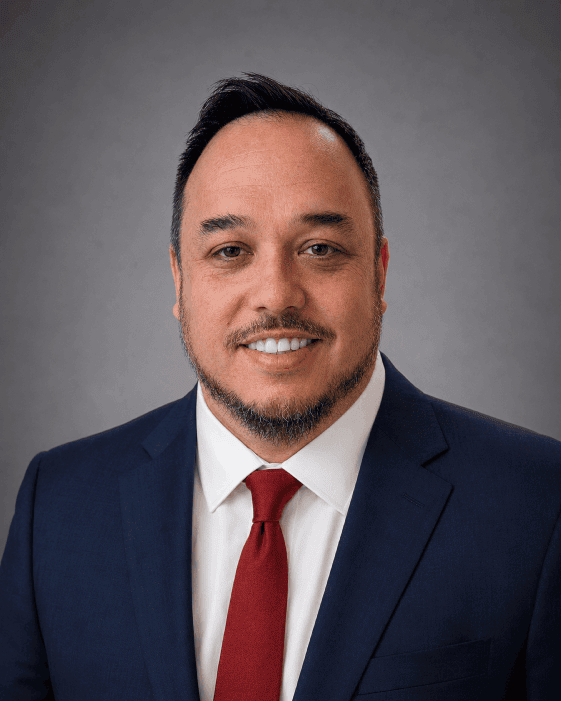
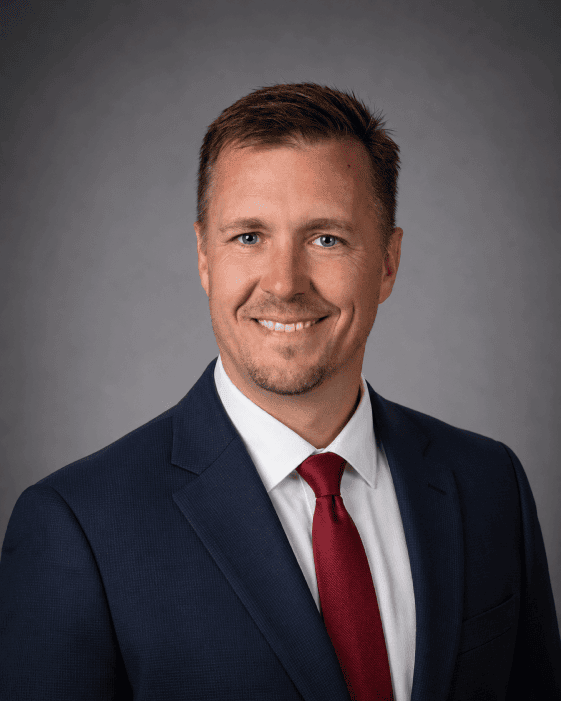
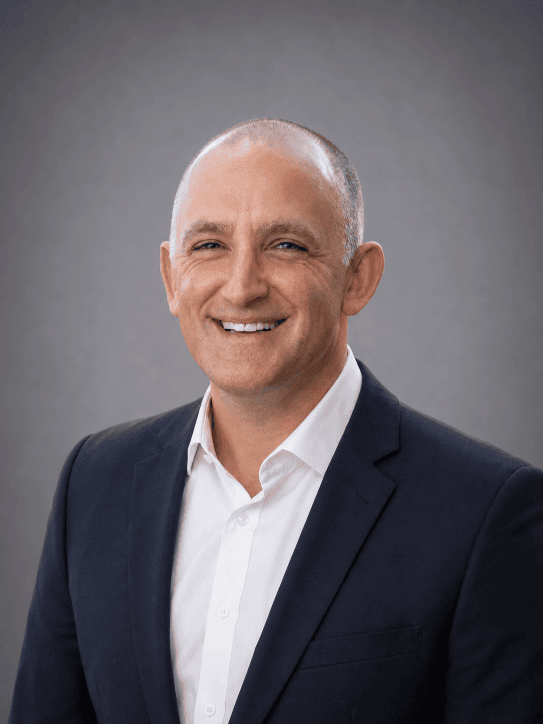
AccuCode was founded in 2023. Operations are led by the executive who runs Professional Consulting Services, Arkansas's largest third-party medical billing firm, bringing nearly two decades inside revenue cycle alongside earlier experience at Blue Cross Blue Shield. The founding leadership brings twenty-five years of high-tech manufacturing scale across hundreds of products in more than forty countries to a customer base that includes over twenty Fortune 500 companies. The governance bench has taken an FDA-approved drug from startup to NASDAQ listing, managed financial operations inside Boeing, and scaled regulated, audited companies through two decades of growth. Built across the industries that taught us what "right" looks like.
The most underserved health systems in the United States are not on the coasts. They are the rural and mid-sized networks serving the middle of the country: the ones with the fewest coders per thousand charts, the longest DNFB aging, the tightest quality-reporting budgets. Our presence in Little Rock was deliberate. These were the customers we built the product for, and they were the customers who taught us what the product needed to do.
The decision to build this kind of company, healthcare AI that replaces administrative workflows, was not obvious in 2023. It required specific bets: that the AI tooling was mature enough to be accurate on clinical documentation, that health systems were ready for it after two years of AI-hype fatigue, and that a company that made the restrictive architectural commitments would win the trust that less-restrictive vendors were losing.
Those bets have been right. The hard part of this business isn't the AI. The hard part is building the operational, financial, and compliance infrastructure to survive the kinds of reviews that sophisticated health systems run on their vendors. We built AccuCode with executives who have done that work at companies many times our size. The product engineering is what you see. The governance experience is what makes it durable.
Healthcare AI will not be won by the companies with the biggest models or the loudest marketing. It will be won by the companies that survive ten years of customer diligence, regulatory change, and operational scaling. The leadership and governance we assembled is built for that horizon, not for an exit window. That is a different kind of company than the category has produced so far. It is the company we built.
Clinical and revenue-cycle depth from eighteen years inside Arkansas's largest medical-billing firm, validated by a credentialed clinical informatics function. Industrial precision delivered to NASA, BMW North America, and Ford. Public-company governance from the co-founder of a NASDAQ-listed biopharma that took an FDA-approved drug from startup to commercial launch, and from a retired Boeing IT CFO. Different industries, common thread: building things that hold up under scrutiny.






Most company values documents are aspirational. These are operational. They describe commitments that shape actual decisions about what we will and won't do, and they apply as much to how we hire and compensate our team as to how we build and sell our product.
Coding and abstraction staff are some of the most clinically literate, regulation-fluent people in the building. Automating the manual line items in their day frees them for the higher-value work health systems perpetually under-resource: documentation review, denial management, quality improvement, registry curation, and clinical audit. Every AccuCode deployment is scoped around redeployment.
Every accuracy number on this website is grounded in a published methodology, a specified sample, and an independent audit panel. One caveat worth naming directly: most healthcare-AI accuracy benchmarks compare model output to human coder output as the ground truth. A competitor claiming 95% accuracy is reporting 5% worse accuracy than a human abstractor. AccuCode consistently outperforms the human baseline rather than approaching it, which makes one-to-one accuracy comparisons against other vendors structurally misleading.
Every employee who can touch customer PHI is US-based. Every piece of infrastructure that processes it is US-region. This is a contractual and architectural commitment, not a marketing one, and it precludes the growth paths some of our competitors will take.
Healthcare AI will be won by companies that last, not by companies that ship fastest. We hire people who have scaled regulated companies. We accept governance overhead that competitors cut. We invest in audit, compliance, and documentation at costs that don't show up in quarterly reviews but do show up in ten-year survival.
AccuCode operates across two US locations, each chosen for specific capabilities. Both offices operate under the same US-employee workforce policy, the same security controls, and the same compliance framework. We have no plans to open offices outside the United States.


Our leadership and governance team is open to conversations with prospective customers, healthcare partners, journalists covering the category, and candidates interested in joining the team.